

Do you ever walk into a boutique and feel instantly bored? The lights are flat. The layout is confusing. The materials feel cheap. Your customers feel that too.
In the world of high-end retail, you don’t get a second chance to make a first impression. If your space doesn’t whisper (or shout) exclusivity within the first three seconds, you lose the sale. That is why mastering luxury shop design is no longer a bonus, it is a necessity.
Whether you are an architect sketching a flagship store or a boutique owner refreshing your look, this guide will walk you through five non-negotiable strategies to create a premium store design that stops traffic and drives revenue. Let’s transform your space into a destination.
1. Master the Art of Sensory Layering (Beyond Just Looks)
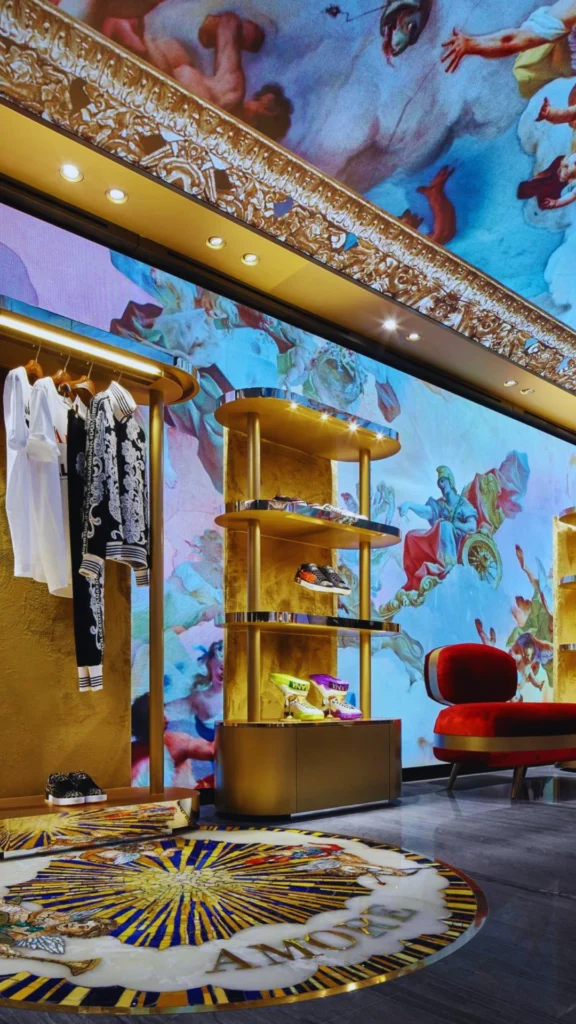
True luxury engages more than just the eyes. It is a full-body experience. When you walk into a high-end retail interior, you should feel the difference before you even touch a product. This is called sensory branding, and it is the secret weapon of top designers.
To achieve this, you need to layer your textures and sounds intentionally.
- Sound: Invest in a curated, low-volume playlist. Silence is awkward; top-40 radio kills the premium vibe.
- Scent: Use a subtle signature scent diffused evenly throughout the space (think leather, velvet, or white tea).
- Touch: Mix cold materials (marble, glass) with warm ones (oak, cashmere wall panels).
Worthy Tip: “Luxury is in the details. If your floor creaks or your music is jarring, you have broken the magic spell of your retail space.”
2. Architectural Lighting as a Storytelling Tool
You cannot have premium store design with bad lighting. Fluorescent overhead tubes are the enemy of elegance. In a luxury environment, light is used to sculpt the space and direct the customer journey. It creates shadows, highlights hero products, and flatters the skin of the shopper.
Consider lighting as a set of layers rather than a single source.
- Accent Lighting: Use narrow spotlights on key merchandise (30–40° beam angle).
- Ambient Lighting: Dimmed cove lighting to create a soft, intimate glow.
- Decorative Lighting: A sculptural chandelier or custom pendant that acts as art.
Worthy Tip: “If you want to look expensive, kill the overheads. A room lit from the edges always looks more luxurious than a room lit from the ceiling.”
3. Curate a “Gallery Wall” Mentality for Displays
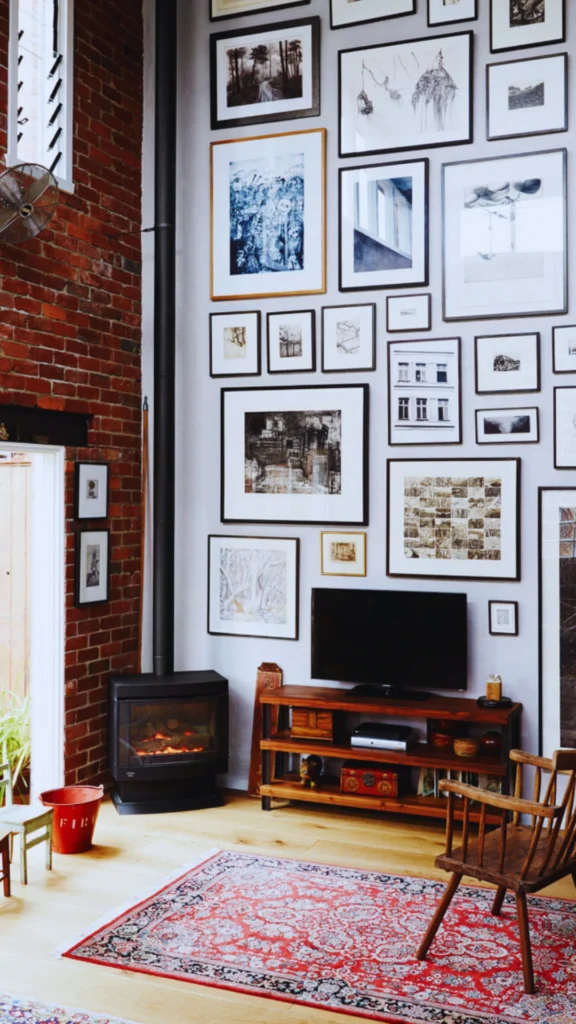
Stop stuffing your shelves. Empty space is a luxury. In a standard store, you want to maximize inventory. In a luxury shop design, you want to maximize perceived value. The fastest way to look cheap is to look cluttered. Think of your store as an art gallery where you happen to sell products.
You need to create breathing room. For every item on display, leave twice as much negative space.
- The Rule of Three: Group items in odd numbers on floating shelves.
- Pedestals: Elevate your hero product (the $500 bag or the $2,000 watch) on a dedicated stone or acrylic pedestal.
- Seasonal Rotation: Leave 30% of your wall space empty so you can rotate in bold, oversized art pieces seasonally.
Worthy Quote: “In a high-end retail interior, the absence of clutter tells the customer: ‘We are so confident in our product, we don’t need to shout about it.'”
4. Create a “Slow Retail” Flow with Zoned Architecture
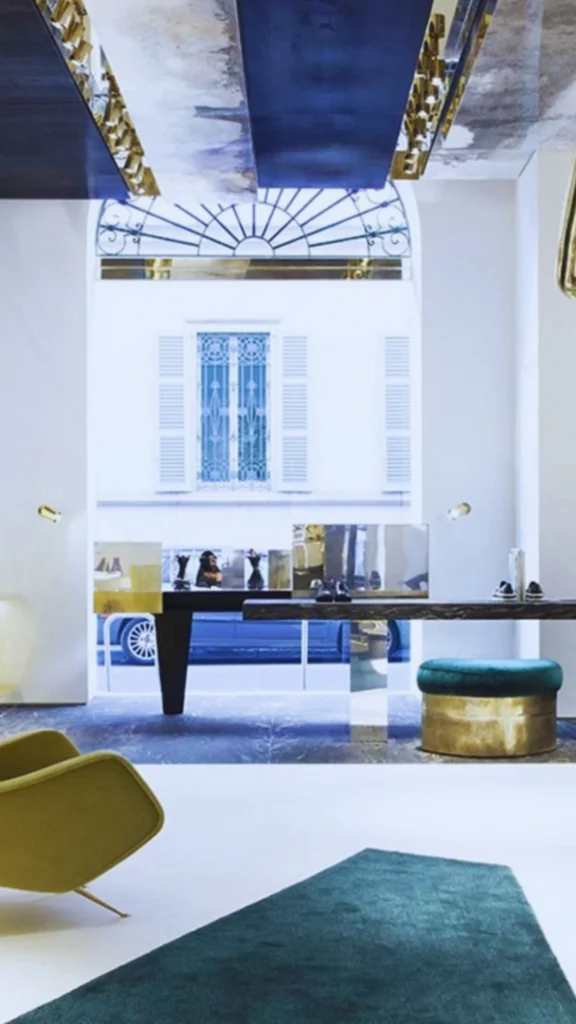
Modern luxury shoppers hate being rushed. They want a journey. Your floor plan should force the customer to slow down and wander. This is often called “Slow Retail.” Instead of a grid layout (like a grocery store), use curved pathways, staggered walls, and intimate “vignettes.”
Zoning your floor creates surprise and discovery.
- The Transition Zone: The first 10 feet inside the door. Use lower lighting and a statement piece here so eyes adjust.
- Discovery Zones: Small seating areas or coffee tables surrounded by accessories.
- The VIP Sanctuary: A private, velvet-curtained area for high-ticket consultations.
Worthy Tip: “Don’t let them see the whole store from the sidewalk. Create mystery. If they can see the back wall immediately, they have no reason to walk deeper inside.”
5. Invest in Heavy, Tactile Finishes
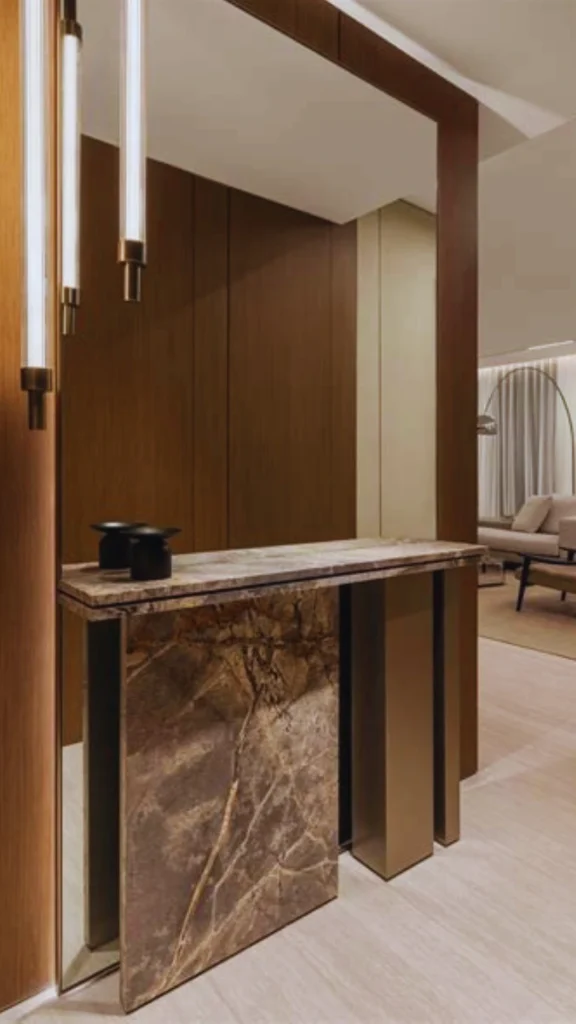
Texture dictates price perception. If a customer touches a display table and it feels hollow or plasticky, their brain immediately devalues every product in the room. To command premium pricing, your surfaces must feel dense, cool, and substantial.
When selecting materials for your premium store design, prioritize weight and authenticity.
- Flooring: Opt for wide-plank oak, polished concrete (sealed), or wool sisal. Avoid vinyl tile.
- Wall Finishes: Venetian plaster, grasscloth wallpaper, or fluted wood paneling.
- Furniture: Solid brass, natural travertine, and heavy linen upholstery.
Worthy Tip: “A heavy door. A solid brass handle. A thick glass shelf. These three things tell a customer ‘this is quality’ before they even look at the price tag.”
Final Thought :
Feeling inspired to redesign your space but not sure where to begin? You don’t have to figure it out alone. Save this article to your “Dream Retail” Pinterest board so you can revisit it anytime you need fresh inspiration.
Ready to take the next step? Contact our Design Consultant today for a personalized mood board consultation. Let’s transform your store into a landmark destination in luxury retail.
Table of Contents
You might also like: https://noiselessnest.com/luxury-hair-saloon-interior-design/
You might also like: https://noiselessnest.com/luxury-bedroom-design/
You might also like: https://noiselessnest.com/luxury-sofa-design-interiors/

