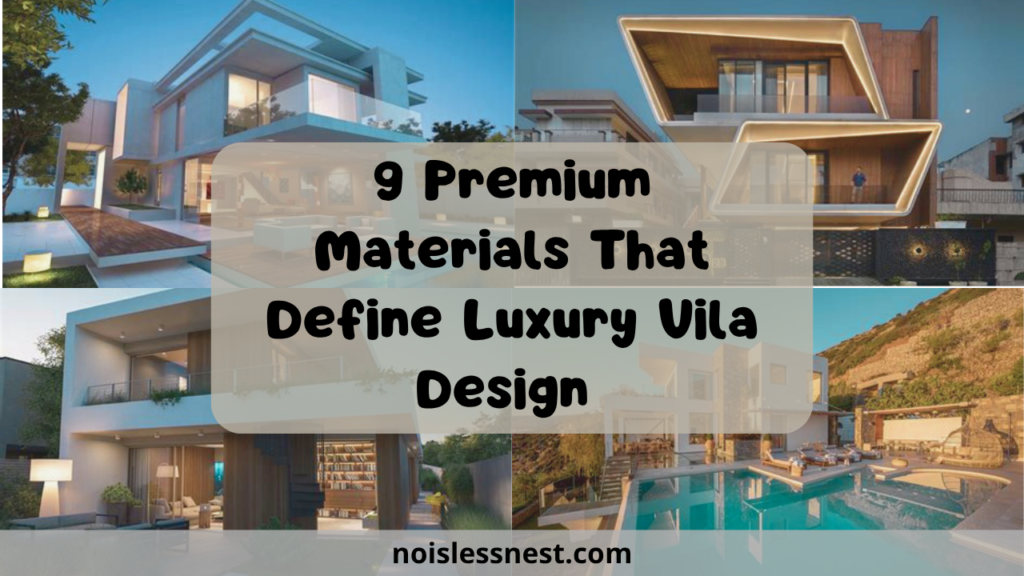

You dream of a villa that feels like a five-star resort. Clean lines. Natural stone. Sunlight pouring through floor-to-ceiling glass.
But when you start researching materials, you feel overwhelmed. Marble or quartz? Wood or aluminum? Honed or polished?
Here’s the truth: luxury vila design isn’t about the most expensive materials. It’s about the right materials used intentionally. In this guide, you’ll discover nine premium materials that define modern luxury villas. You’ll learn where to use them, where to save, and how to combine them for a timeless result.
Whether you’re an architect, a homeowner, or simply a design enthusiast, these insights will elevate your next project. Let’s build something extraordinary.
1. Natural Stone: The Soul of Upscale Villa Design
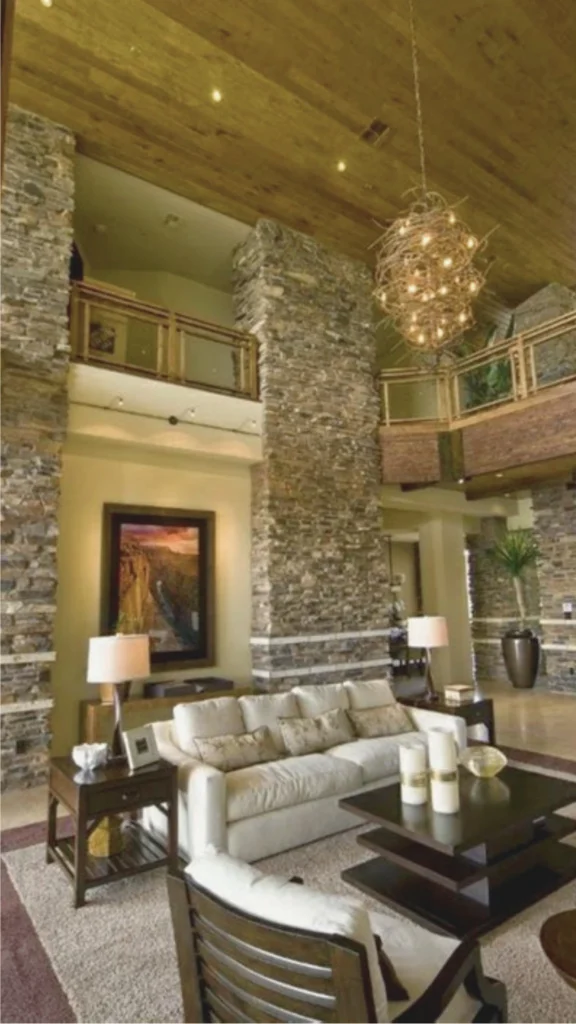
Nothing says permanence like stone. In upscale villa design, stone is your foundation, literally and visually.
Best stones for luxury villas:
- Travertine : Warm, porous, matte. Perfect for indoor floors, patios, and pool decks. Ages beautifully.
- Limestone : Soft, uniform, elegant. Ideal for wall cladding, fireplace surrounds, and bathroom vanities.
- Marble : Veined and dramatic. Use sparingly: kitchen islands, powder room counters, or feature walls.
- Slate : Dark, textured, durable. Great for high-traffic entries and outdoor steps.
Where to splurge: A single marble statement wall in the living room or primary suite.
Where to save: Use porcelain that mimics travertine for outdoor areas with heavy sun exposure.
Worthy tip: “Honed stone feels more modern than polished. It doesn’t show water spots or fingerprints perfect for busy villas.”
Seal all natural stone properly. Re-seal every 1-2 years. Your villa will thank you.
2. Floor-to-Ceiling Glass: Erasing Boundaries
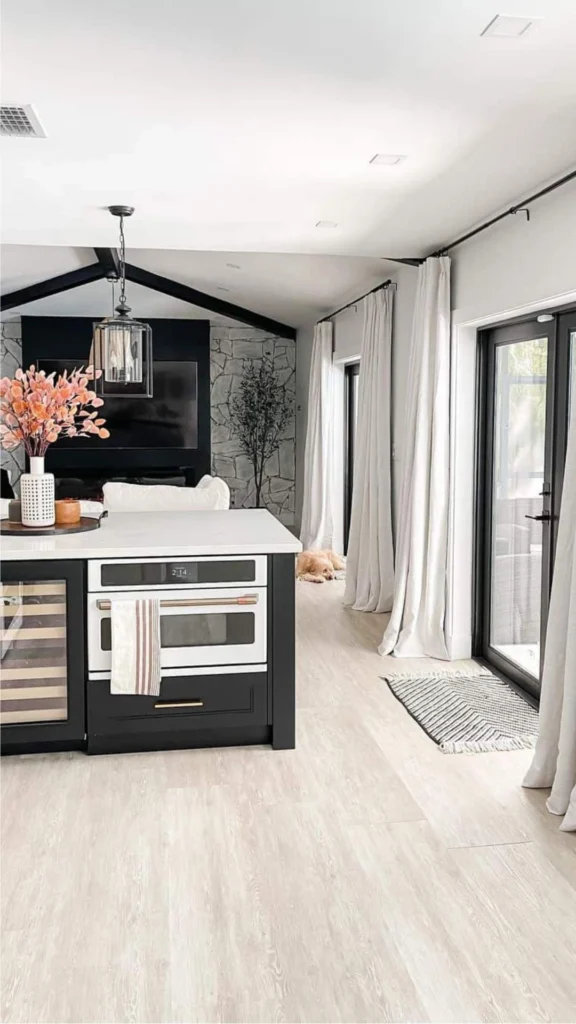
Modern villas breathe. And they breathe through glass.
High-end residential villa design embraces large-format glass panels. Sliding, folding, or fixed glass brings the outside in.
What to specify:
- Thermally broken aluminum frames – Slim profiles (as narrow as 1.5 inches). Powder-coated in matte black, bronze, or white.
- Low-E double or triple glazing – Reflects heat while letting light through. Essential for energy efficiency.
- Cornerless glass – No mullions at the corner. Pure, unobstructed views.
Pro placement: Install a 16-foot sliding glass wall that opens completely to a covered terrace. The indoor outdoor flow becomes your villa’s signature moment.
Worthy tip: “Add a cantilevered overhang above your glass walls. It provides shade in summer while allowing low winter sun to warm your floors.”
And never forget: quality glass is an investment in comfort. Cheap glass creates heat gain and glare.
3. Solid Wood: Warmth in Contrast
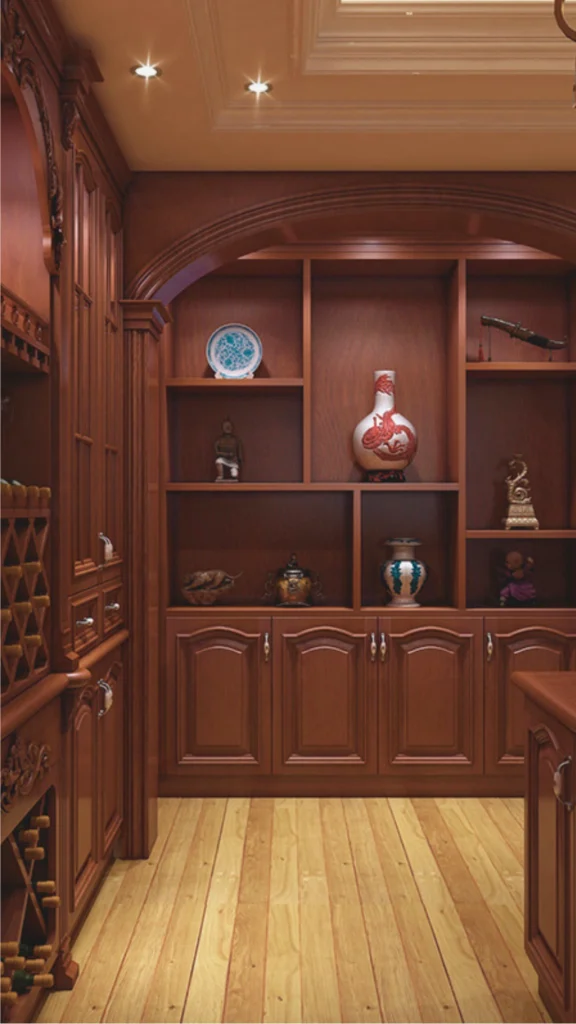
Stone and glass can feel cold. Wood brings back the warmth.
In luxury vila design, wood appears in three key roles:
Structural wood – Exposed beams, columns, or ceiling planks. Reclaimed oak, Douglas fir, or thermally modified ash.
Finish wood – Flooring, wall paneling, and built-ins. White oak, walnut, or teak.
Furniture wood – Statement pieces like a live-edge dining table or a sculptural console.
Where to use wood for maximum impact:
- An entire ceiling clad in cedar or ash
- A slatted wood screen that filters light into a hallway
- A floating wood staircase with glass railings
Worthy tip: “Mix wood tones. Light oak floors with walnut cabinetry creates depth. Matching everything is boring.”
Avoid high-gloss wood finishes. Matte or oiled surfaces feel more organic and luxurious.
4. Polished Concrete: Industrial Elegance
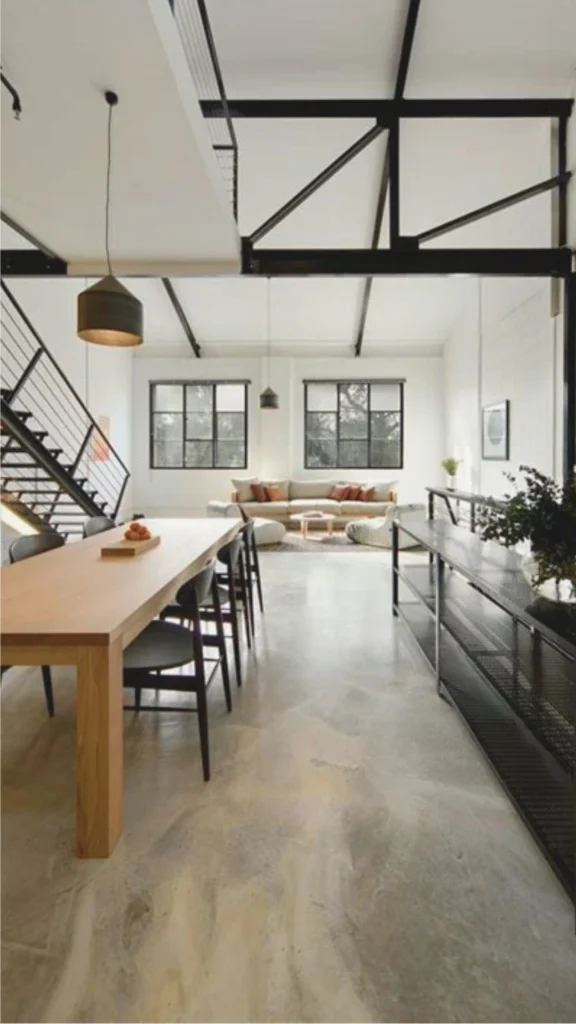
Don’t overlook concrete. In upscale villa design, polished concrete has become a star.
Why it works:
- Seamless – No grout lines or transitions
- Durable – Scratch and stain resistant when sealed
- Thermal – Works beautifully with radiant floor heating
- Modern – Clean, monolithic, and architectural
Best applications:
- Open-plan living areas (combined with area rugs for softness)
- Outdoor kitchens and covered patios
- Stair treads (with non-slip additives)
Finish options: High-gloss polish (reflects light), matte (more natural), or aggregate-exposed (pebbled texture).
Worthy tip: “Add a subtle color dye to your concrete mix – warm grey, sand, or even charcoal. Pure grey can feel cold. A hint of warmth changes everything.”
Seal concrete every 3-5 years. And always hire a specialist. DIY concrete finishing rarely looks luxury.
5. Natural Fiber Textiles: Softness Underfoot
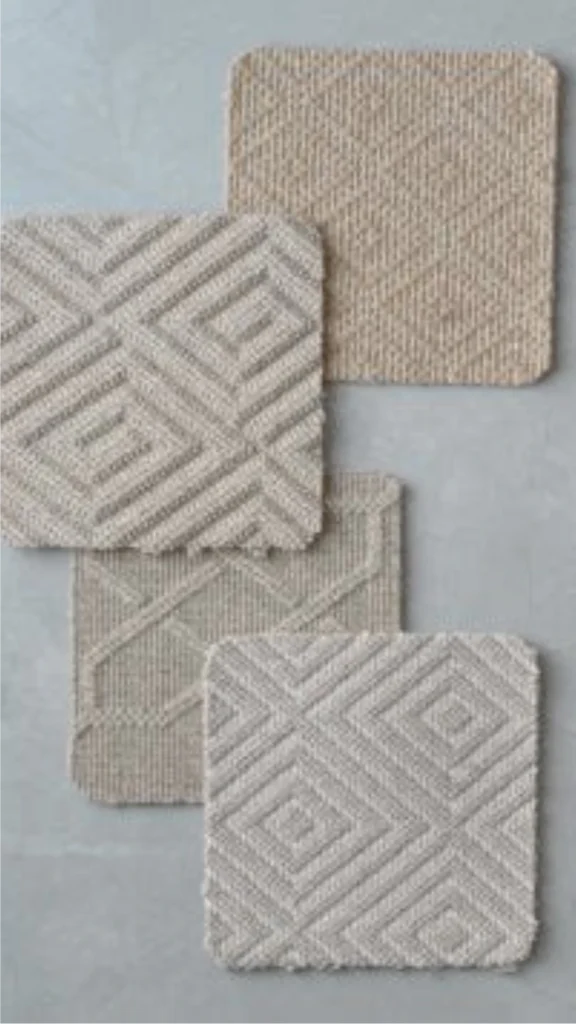
Hard surfaces dominate luxury villas. But your feet need softness.
High-end residential villa design uses natural fiber rugs and textiles to add comfort without clutter.
Top choices:
- Wool – Durable, naturally stain-resistant, and warm. Perfect for bedrooms and living rooms.
- Jute or sisal – Tightly woven, textured, and sustainable. Great for layering under furniture.
- Silk or bamboo silk – Lustrous and cool. Best in low-traffic areas like a primary suite.
- Linen – For drapes, upholstery, and cushions. Breezy and effortlessly elegant.
Layering tip: Place a wool or silk rug over a larger jute rug. The contrast in texture and color adds instant sophistication.
Worthy tip: “Use the same natural fiber throughout your open-plan villa different weaves for different zones. It unifies the space without walls.”
Avoid synthetic fibers. They look flat, trap dust, and feel cheap under bare feet.
6. Smart Glass & Electrochromic Windows
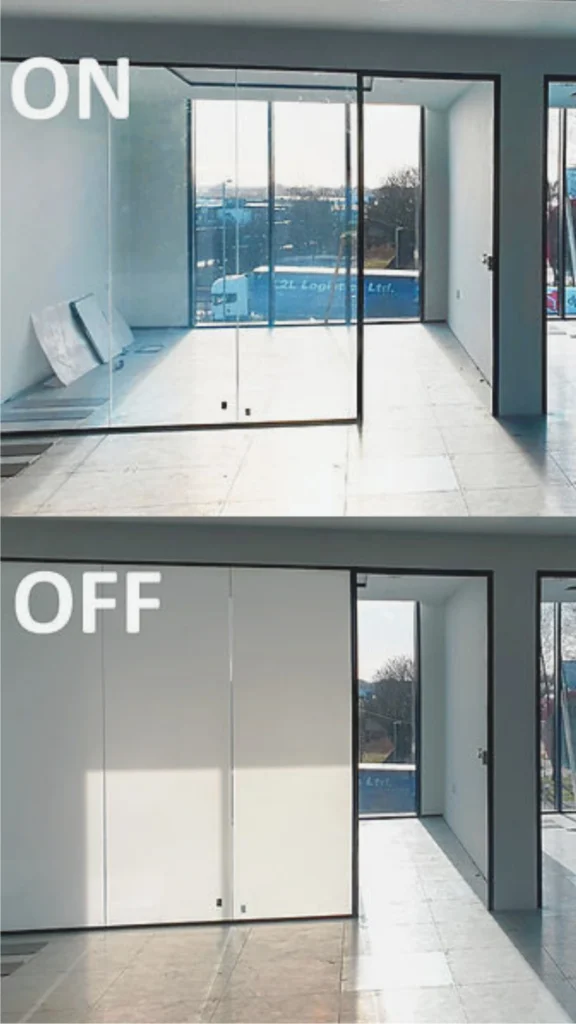
Technology meets luxury. Smart glass changes opacity at the touch of a button or automatically with sunlight.
How it works: A thin film or electrochromic layer switches from clear to frosted or dark when a low voltage is applied.
Uses in luxury vila design:
- Bathroom windows that turn opaque for privacy, clear for views
- Skylights that darken automatically in bright sun
- Interior partitions between living and sleeping zones
- Conference room glass in a home office
Benefits: No blinds. No curtains. No dust. Just pure, clean lines.
Worthy tip: “Install smart glass in your shower enclosure. One button gives you a private steam room. Another gives you an open view to the garden.”
Costs have dropped significantly. Still premium but for a primary villa, it’s a signature upgrade.
7. Metal Accents: Brass, Bronze & Blackened Steel
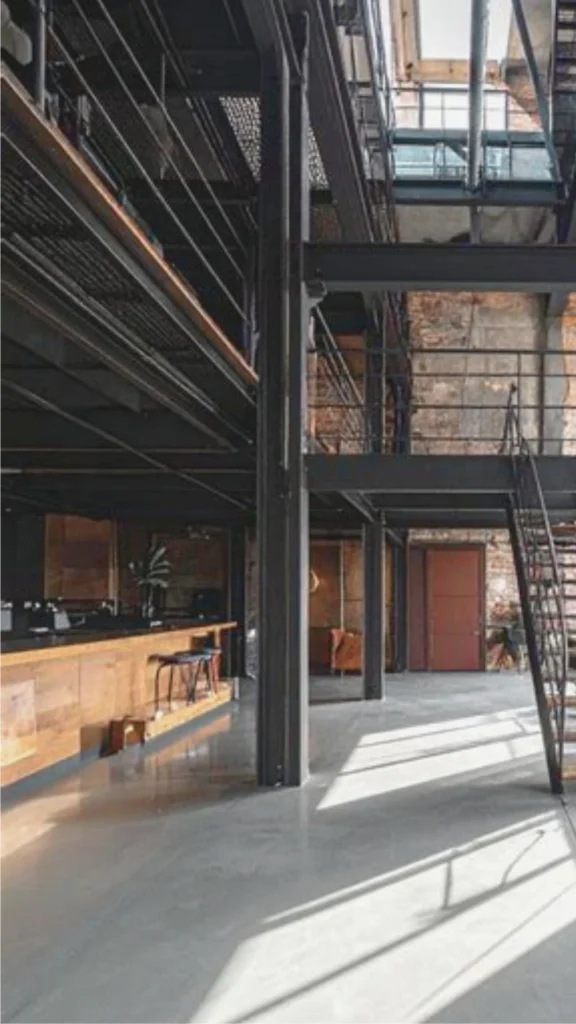
Metal is the jewelry of your villa. Used sparingly, it elevates everything.
Best metals for high-end residential villa design:
| Metal | Vibe | Best for |
|---|---|---|
| Brushed brass | Warm, classic, soft | Cabinet pulls, faucets, light fixtures |
| Polished nickel | Cool, reflective, elegant | Bathroom hardware, railings |
| Blackened steel | Industrial, dramatic, modern | Window frames, fireplace surrounds |
| Bronze | Rich, organic, patina-ready | Door handles, outdoor lights |
The rule: Pick one metal finish for plumbing, one for lighting, and one for cabinet hardware. They don’t have to match exactly, but they should harmonize.
Worthy tip: “Use unlacquered brass on a kitchen faucet. It will patina naturally over time – developing a unique, lived-in beauty that polished metals lack.”
Avoid chrome. It’s too bright and reads as builder grade, not luxury.
8. Large-Format Porcelain: The Practical Luxury
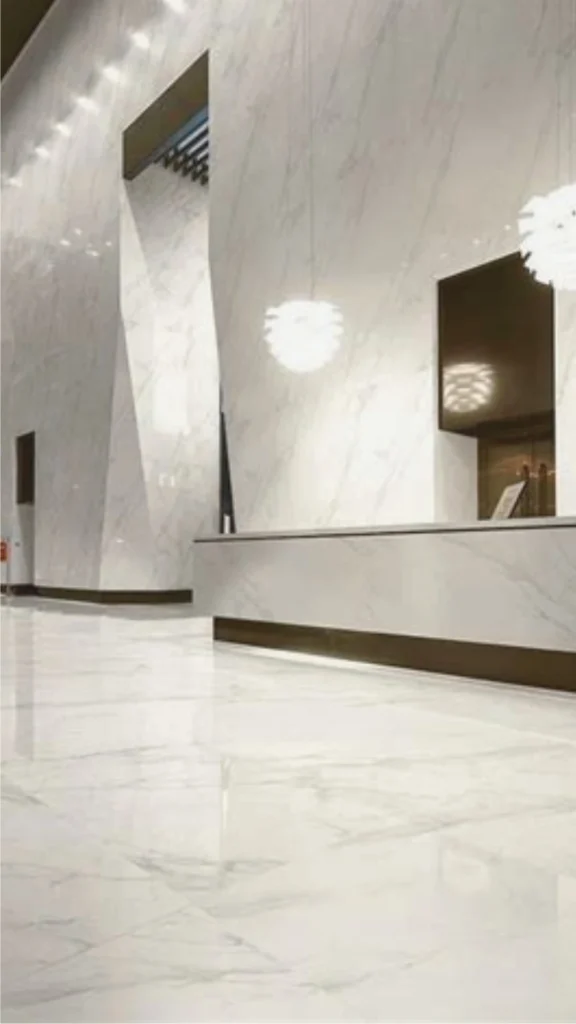
Sometimes, natural materials aren’t practical. Enter large format porcelain up to 5ft x 10ft slabs.
Why it belongs in luxury vila design:
- Looks like marble, limestone, or concrete – but without sealing or etching
- Extremely durable – scratch, stain, and UV resistant
- Can be used indoors and outdoors seamlessly
- Thinner than stone (great for renovations over existing floors)
Best uses: Kitchen floors, bathroom walls, outdoor pool decks, and fireplace surrounds.
Pro tip: Choose rectified edges and use a matching grout. The minimal grout lines make the floor look like a single, continuous slab.
Worthy tip: “Run the same large-format porcelain from your indoor living room to your outdoor terrace. No threshold. No break. One seamless surface, the ultimate luxury.”
Cost per square foot is often lower than natural stone. But installation requires specialists due to weight and cutting precision.
9. Integrated Lighting: The Invisible Hero
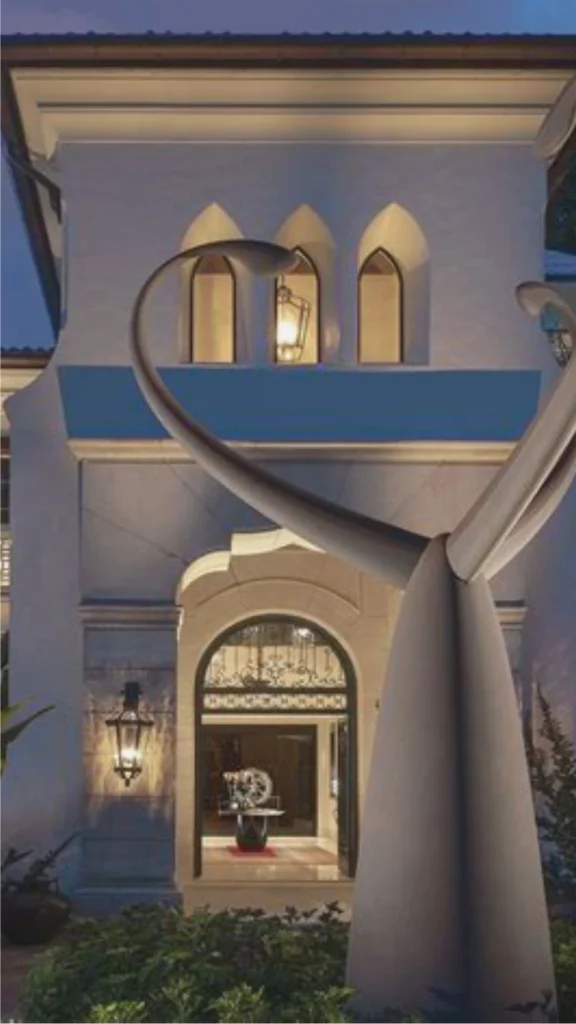
The best lighting in a luxury villa is the lighting you don’t see.
Upscale villa design uses integrated lighting to sculpt space:
- Linear LED strips – Recessed into ceiling coves, under cabinet toes, and along stair nosings.
- Wall grazing – Lights aimed down textured walls (stone, wood, concrete) to emphasize surface depth.
- Step lighting – Tiny recessed LEDs in stairs, hallway baseboards, and outdoor steps.
- Mirror lighting – Backlit mirrors in bathrooms for soft, flattering illumination.
Color temperature: Stick to 2700K-3000K everywhere. Never mix cool and warm in the same room.
Worthy tip: “Install dimmable LED tape under your kitchen island overhang. At night, it floats the island off the floor, pure drama.”
Integrated lighting costs more upfront but pays back in atmosphere and energy savings. And no visible bulbs means no visual clutter.
Table of Contents
Final Thoughts:
Creating a truly luxurious villa starts with choosing the right premium materials that combine elegance, durability, and timeless appeal. From natural stone and fine wood finishes to high-end glass and metal accents, every detail plays a vital role in shaping a sophisticated living space.
By thoughtfully selecting these materials, you can design a villa that reflects both modern luxury and lasting comfort. Whether you are building from the ground up or upgrading an existing space, the right choices will help transform your vision into a stunning reality.
You might also like: https://noiselessnest.com/banquet-hall-luxury-lighting-tips/
You might also like: https://noiselessnest.com/luxury-kitchen-design-modern-interiors/
You might also like: https://noiselessnest.com/7-ways-luxury-spa-design-interiors/